
October 4, 2026
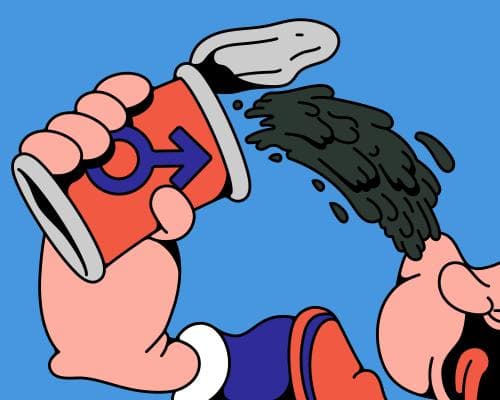
Hegseth is obsessed with testosterone therapy. If anything, I’d like the opposite | Dave Schilling
Thesis: Dave Schilling critiques the obsession with testosterone therapy, arguing that societal pressures to optimize masculinity through medical intervention are misguided.
Stakes: With figures like Pete Hegseth advocating for widespread testosterone testing and treatment, there's a risk of normalizing unnecessary medicalization of aging and masculinity, potentially sidelining more pressing health concerns.
Takeaway: Embracing the natural progression of life, rather than chasing artificial enhancements, is essential for mental well-being and self-acceptance in an increasingly health-obsessed culture.
Stoic Response
Stoic Meditation for Dawn Practice
Author's Claim
In his critique of testosterone therapy, Dave Schilling argues that society's obsession with optimizing masculinity through medical interventions is fundamentally misguided. He emphasizes that the natural progression of life should not be seen as a problem to be fixed, but rather as an integral part of human existence.
Weighing Against Nature and Logos
Schilling’s perspective invites us to reflect on the Stoic principle of accepting what we cannot control. Nature, in its wisdom, has designed the human experience to include aging and decline. As Schilling notes, "We are destined to age, to be rendered irrelevant, and to die." This acceptance of our mortality aligns with the Stoic belief that true strength lies in our ability to endure life's inevitable changes without resorting to artificial enhancements.
Logos, or rationality, further supports this view. The pursuit of testosterone therapy as a means to restore a perceived loss of masculinity can distract us from more pressing health concerns and the virtues of self-acceptance. Instead of chasing after fleeting ideals, we should focus on cultivating inner resilience and character.
Actionable Reflections
-
Embrace Acceptance: As you start your day, take a moment to acknowledge the natural state of your body and mind. Reflect on the aspects of yourself that you may wish to change and consider how they contribute to your unique identity.
-
Cultivate Virtue: Rather than seeking external validation through medical interventions, focus on developing virtues such as courage, wisdom, and temperance. What actions can you take today that align with these values?
-
Mindfulness of Mortality: Recognize that life is transient. Use this awareness to prioritize what truly matters to you. How can you invest your time and energy in meaningful relationships and pursuits that enrich your life?
-
Resist Societal Pressures: Challenge the narratives around masculinity and health that society imposes. Question whether your desires align with your true self or if they are influenced by external expectations.
-
Daily Reflection: At the end of the day, reflect on your experiences. Did you find moments of acceptance? How did you respond to societal pressures? Consider journaling your thoughts to deepen your understanding of your journey.
Conclusion
In a world increasingly obsessed with optimizing every aspect of our lives, Schilling’s critique serves as a reminder to honor the natural course of our existence. By embracing acceptance, cultivating virtue, and resisting societal pressures, we can find peace and fulfillment without the need for artificial enhancements. As dawn breaks, let this meditation guide you toward a day of authenticity and resilience.
Article Rewritten Through Stoic Lens
A Stoic Perspective on Testosterone Therapy: A Call for Measured Response
Thesis: Embracing Natural Progression Over Artificial Enhancement
In our quest for self-improvement, we often find ourselves ensnared by societal pressures that advocate for medical interventions such as testosterone therapy. Dave Schilling critiques this obsession, arguing that it distracts us from the virtues of self-acceptance and the natural progression of life. Instead of seeking external validation through medical means, we should focus on cultivating our character and embracing the realities of aging.
Courage: Facing the Truth of Our Humanity
Schilling opens with a candid admission: "I loathe going to the doctor." This sentiment resonates with many, as the prospect of medical examinations often evokes anxiety and discomfort. However, the Stoic approach encourages us to confront these fears with courage. The discomfort of a doctor's visit is a small price to pay for understanding our health.
The push from figures like Pete Hegseth to normalize testosterone testing and therapy serves as a reminder of the societal pressures we face. Hegseth claims that testosterone is "the key to maintaining what’s left of our civilization," framing it as a necessity rather than a choice. This perspective challenges us to examine our motivations: Are we pursuing health for the sake of virtue, or are we succumbing to external expectations?
Temperance: Moderation in Desires and Actions
The debate surrounding testosterone replacement therapy often centers on its perceived benefits: increased athleticism, virility, and sexual prowess. Schilling questions the necessity of these enhancements, stating, "I’m not a professional athlete. I don’t need to dunk a basketball or dominate my gym’s racquetball league."
In Stoicism, temperance teaches us to moderate our desires and actions. The pursuit of testosterone may lead to an insatiable longing for more—more strength, more vitality—ultimately distracting us from appreciating our current state. Schilling's reflection on his own life illustrates this point: "If anything, maybe I have too much testosterone." Recognizing our existing strengths and limitations fosters gratitude rather than discontent.
Justice: The Ethical Implications of Medicalization
The ethical dimensions of testosterone therapy cannot be overlooked. Schilling highlights the paradox of the Trump administration advocating for testosterone therapy for cisgender men while simultaneously restricting it for trans individuals. This inconsistency raises questions about the fairness and justice of such medical interventions.
Stoicism teaches us to act justly, considering the broader implications of our choices. The normalization of testosterone therapy risks sidelining more pressing health concerns, creating a society that prioritizes superficial enhancements over genuine well-being. As Schilling notes, "Underneath much of this tedious discourse... is the fundamental premise that there’s something wrong with the natural progression of the human body." We must strive for a just society that respects the natural course of life.
Wisdom: Embracing the Reality of Aging
Ultimately, the wisdom of Stoicism lies in accepting the inevitability of aging and mortality. Schilling poignantly states, "We are destined to age, to be rendered irrelevant, and to die." This acceptance is not a resignation but a call to live with purpose and integrity.
The pursuit of artificial enhancements can lead us away from the virtues that truly matter. Instead of striving for an unattainable ideal, we should cultivate gratitude for the life we have. Schilling encourages us to reflect: "Is the key to life being able to bench press 300lb at the age of 75?" The answer lies in our character, not our physical prowess.
Conclusion: A Call to Virtue
In an increasingly health-obsessed culture, we must resist the allure of artificial enhancements and focus on developing our character. The conflicts surrounding testosterone therapy serve as tests of our virtue, challenging us to respond with courage, temperance, justice, and wisdom.
As we navigate these societal pressures, let us embrace the natural progression of life and cultivate gratitude for our unique journeys. In doing so, we can find true fulfillment, free from the shackles of external expectations.
Source Body Text
I loathe going to the doctor. Not a controversial opinion, compared to some of the other ones in this section of the Guardian. I’m not exactly arguing for universal basic income or for Manchester City to be relegated to the Saudi Pro League here. No one looks forward to a doctor visit, with its recriminations for bad habits or various intrusive blood tests. People don’t have cocktail parties to celebrate their yearly check-up, and yet, it seems like every day, there’s a new reason to go get prodded by a stranger in a lab coat. Our collective fascination with testosterone levels is just another instance of me (specifically me) being shamed into more medical tests. The defense secretary, Pete Hegseth, and others in the Trump administration have been prattling on about testosterone for years now, claiming it’s the key to maintaining what’s left of our civilization. Hegseth wants to test soldiers for T levels, and offer testosterone replacement therapy (TRT) to those who don’t have sufficient medically verifiable machismo. He sees this as “restoring and optimizing your natural capabilities, protecting your longevity, and ensuring you have the biological foundation required to sustain the fight”. The health secretary, Robert F Kennedy Jr, removed limits on TRT in June of this year, so that more men could be legally prescribed testosterone rather than, say, buying it at a gas station or from the back of a 2007 Dodge Caravan in the parking lot of an Arby’s. The science behind the perceived benefits of testosterone replacement therapy for cisgender men are hotly debated – a debate I’m simply too stupid to wade into. I have a hard time doing long division. How am I going to understand what injecting hormones into my body is going to do? Maybe testosterone will make me smarter. Probably not. I think that’s probably the one thing we can agree it doesn’t do. It’s bad enough that I have to be tested for blood pressure, cholesterol, A1C and eyesight. Why throw another thing on the pile of stuff I have to worry about? And is this actually worth my concern? Testosterone allegedly makes you more athletic, more virile, and more sexually active. First of all, I’m not a professional athlete. I don’t need to dunk a basketball or dominate my gym’s racquetball league. I’m a writer. My fingers work just fine. Do I need to function better sexually? If anything, I wouldn’t mind my libido toning down a bit. Will testosterone regrow my hair? I’d at least consider it if it did, but apparently, it makes hair loss worse. What good will a bit more muscle mass be if I end up looking like Steve Harvey without the millions of dollars that make Steve Harvey attractive? If you give me a million dollars, I’ll take testosterone. There, the offer is in writing. While fighting hormone therapy for trans troops, the Trump administration is simultaneously suggesting to cis men like me that I should be taking it instead, even if I don’t actually want it. Or need it. Considering my high interest in sex, perfectly acceptable athletic ability, and generally sedentary lifestyle, if anything, maybe I have too much testosterone. I’m perpetually angry – about someone cutting me off in traffic, the escalator at the AMC Burbank 16 that never works, and the Lakers’ starting lineup. Would I be a more valuable member of society if I got out of my car and walloped the guy who swerved in front of me? Should I be bashing the escalator at the AMC with an aluminum baseball bat until the police arrive? Like any normal person my age, I take my aggression out in video games. Whenever I get too apoplectic to function, I turn on my Playstation 5 and queue up RoboCop: Rogue City, a game where you play as the titular cybernetic lawman of the future – blasting criminals with a high-powered, rapid-fire pistol. The only thing more satisfying than a robot eviscerating drug-addled gutter punks inside a game is when you get to issue parking citations and arrest people for public urination. Yes, you can do that in the game. It never gets old. I’m sure this is not what Pete Hegseth means when he talks about “lethality”, but this is as close as I’m going to get – wiping out a street gang with a rocket launcher. I assure you I don’t need more testosterone for that. Underneath much of this tedious discourse and my own dread of seeing a doctor, though, is the fundamental premise that there’s something wrong with the natural progression of the human body. That, for some reason, we need to fix people who aren’t sick – as though we’re in some Jean-Claude Van Damme movie and need to be turned into a biologically enhanced weapon so we can swim more laps or something. Is the key to life being able to bench press 300lb at the age of 75? For some, sure. I salute them. And yet, we are destined to age, to be rendered irrelevant, and to die. No matter what you inject or swallow from the pharmacist, it’s going to happen. That’s as normal as a stiff breeze. There’s no conquering reality. Just ask your doctor. Dave Schilling is a Los Angeles-based writer and humorist