
Stoic Classics
Seneca's On the Happy Life
A Stoic guide to true happiness from De Vita Beata, presented through Aubrey Stewart's 1889 translation and adapted for modern reflection.
What this work teaches
Lucius Annaeus Seneca (c. 4 BC - AD 65) was a Roman statesman, playwright, and one of Stoicism's most influential voices. In this dialogue addressed to his brother Gallio, Seneca asks a timeless question: how can a person live a truly happy life?
His answer is clear: happiness is not built on possessions, comfort, or popularity. It is built on virtue, reason, and harmony with nature.
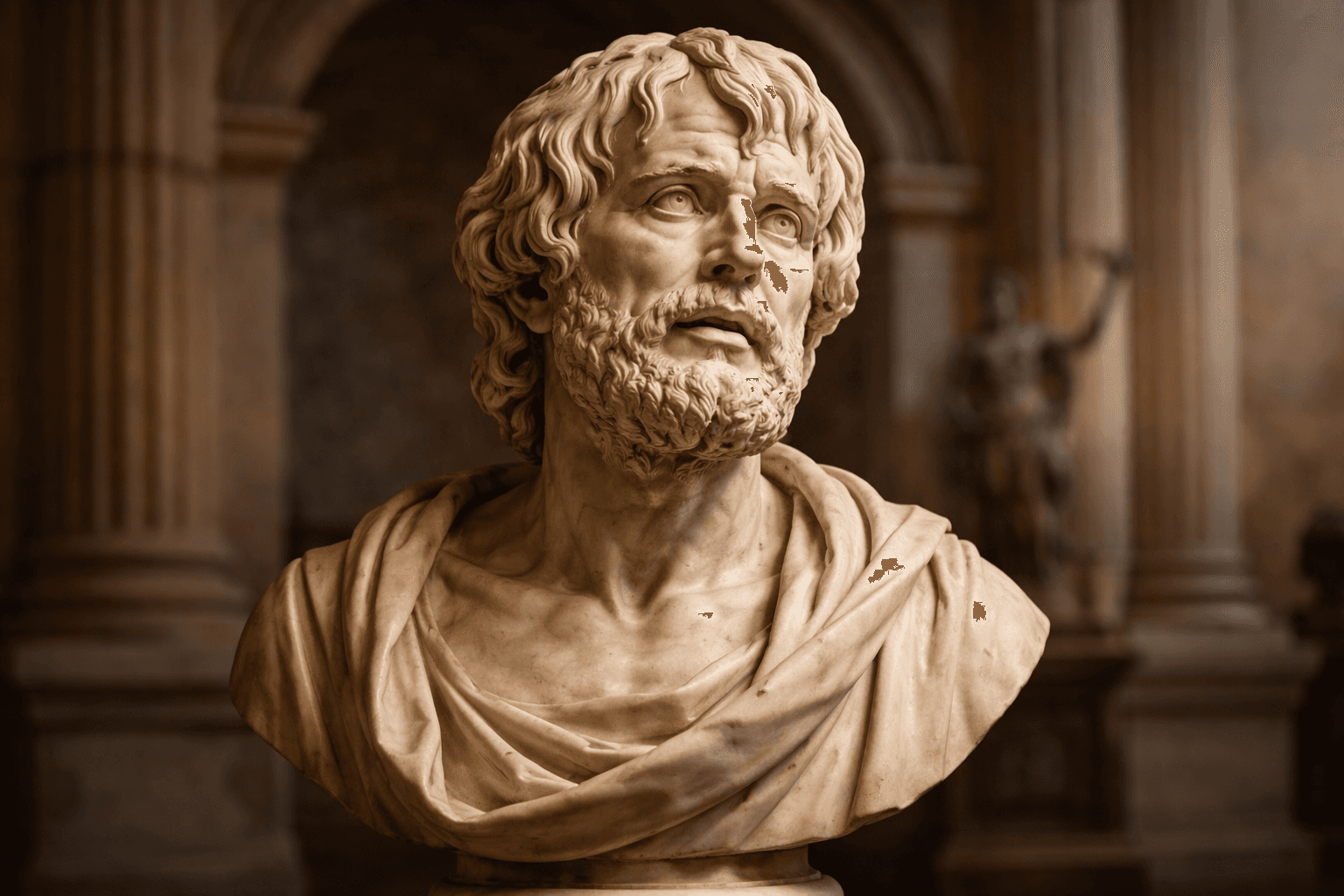
Key ideas from On the Happy Life
- Everyone wants happiness, but many chase the wrong targets by following the crowd instead of reason.
- True happiness is living in accordance with nature, producing calm, freedom, and self-command.
- Virtue is the only true good. Wealth, health, and status can be useful, but they are never the foundation of a good life.
- Popular opinion is unreliable. Stoic practice requires independent judgment and moral clarity.
- The happy person is self-sufficient and steady under pressure, content with present circumstances.
- Pleasure is not the goal. At most, it can accompany right action, but it cannot define what is good.
- Daily practice matters: self-examination, moderation, and disciplined attention to what lies within your control.
Notable lines from the dialogue
“All men, brother Gallio, wish to live happily, but are dull at perceiving exactly what it is that makes life happy.”
“A happy life, therefore, is one which is in accordance with its own nature.”
“Nothing gets us into greater troubles than our subservience to common rumour.”
“The happy man is content with his present lot, whatever it may be.”
Read the full public-domain text
The complete Aubrey Stewart translation is available free online: