
Stoic Bio
Marcus Aurelius
Roman emperor (161–180 CE) whose private journal, the Meditations, captures a lifetime of Stoic training amidst political turmoil.
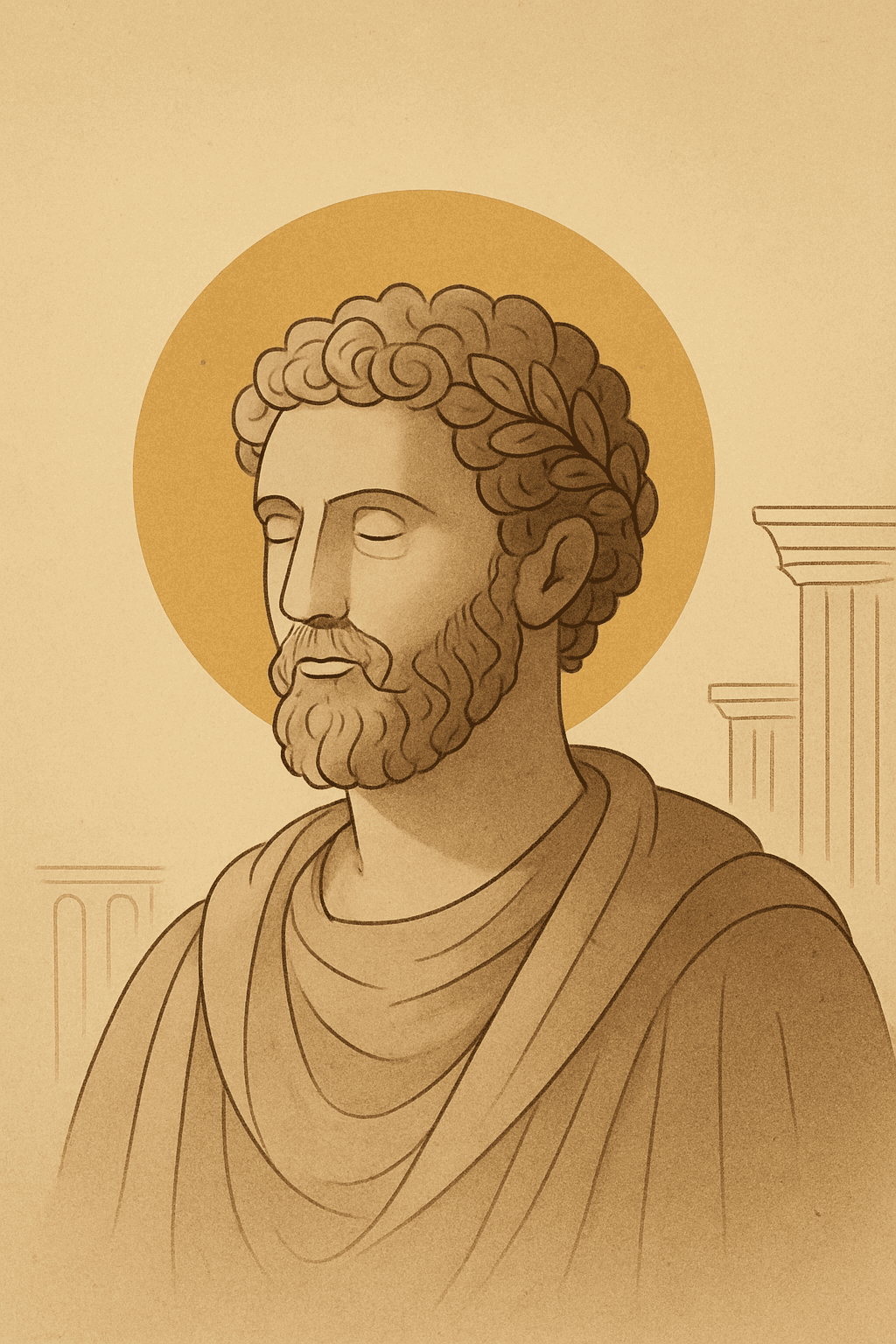
Marcus Aurelius, rendered from classical references.

Virtue is the only true good—Marcus kept that flame alive amid empire-sized stress.
Marcus Aurelius
Marcus Aurelius (121–180 CE) was a Roman emperor and philosopher whose writings remain a cornerstone of Stoic thought. Best known for his personal reflections collected in Meditations, he exemplified the Stoic ideal of rational self‑discipline, resilience, and moral duty. His life demonstrates how philosophy can guide leadership, personal conduct, and the pursuit of inner peace.
Biography
Marcus Aurelius was born in Rome in 121 CE into a prominent family. Adopted by Emperor Antoninus Pius, he was groomed for leadership and eventually became emperor in 161 CE. His reign was marked by military challenges, including wars along the empire’s northern borders, and internal struggles such as plague and political unrest. Despite these hardships, Marcus sought to embody Stoic principles, balancing the demands of power with a commitment to virtue and reason. His private writings, never intended for publication, reveal a man striving to live philosophically while bearing immense responsibility.
Key Teachings
- Control what you can: Focus on your own actions and judgments, not external events.
- Impermanence: Accept that life is fleeting, and that change is natural and inevitable.
- Duty and service: Fulfill your role in society with integrity, regardless of personal hardship.
- Inner discipline: Cultivate calm and rational thought to withstand adversity.
- Universal brotherhood: Recognize the shared humanity of all people, treating others with fairness and compassion.
- Harmony with nature: Live in accordance with the rational order of the universe.
Influence & Legacy
- Philosophical impact: Meditations remains one of the most widely read works of philosophy, inspiring thinkers across centuries.
- Leadership model: His reign is often cited as an example of a philosopher‑king, blending governance with ethical reflection.
- Modern relevance: His teachings resonate in contemporary discussions of mindfulness, resilience, and ethical leadership.
- Cultural presence: Marcus Aurelius is frequently referenced in literature, psychology, and leadership studies as a model of calm strength.
- Stoic revival: Modern Stoicism movements often place his writings at the center of practical philosophy for everyday life.
Memorable Quotes
-
“You have power over your mind — not outside events. Realize this, and you will find strength.”
— A reminder to focus on inner control rather than external chaos. -
“The happiness of your life depends upon the quality of your thoughts.”
— Emphasizes the Stoic belief that well‑directed thinking shapes well‑lived lives. -
“Waste no more time arguing about what a good man should be. Be one.”
— A call to action, urging practice over debate. -
“When you arise in the morning, think of what a precious privilege it is to be alive.”
— Encourages gratitude and awareness of life’s daily gift. -
“Death smiles at us all; all we can do is smile back.”
— A reflection on mortality and the Stoic acceptance of life’s end.
Marcus Aurelius remains a timeless figure whose words continue to guide those seeking clarity, resilience, and virtue in the face of life’s challenges. His example shows that philosophy is not abstract theory but a practical discipline for living well.